
Whole-room entertainment uses strategically planned audio equipment to make music, movies, sports, and other content accessible throughout a living space. A thoughtful home audio installation Scottsdale, AZ considers room layout, speaker placement, source devices, controls, and how people actually use different areas of the home.
In Scottsdale, AZ, homeowners may want entertainment systems that support more than one room or activity. Instead of concentrating all technology around a single television, a whole-room approach can distribute audio throughout selected areas while allowing different spaces to function independently.
What Is Whole-Room Entertainment?
Whole-room entertainment refers to an approach where audio and connected entertainment technology are planned around how a home is used. The system may include one listening area, several rooms, or multiple zones with different content playing at different times.
For example, a homeowner might listen to music in a living room while another person watches a movie in a dedicated entertainment room. The exact configuration depends on the home’s layout and the preferences of the people using it.
The important consideration is that the system should be planned as a connected environment rather than a collection of unrelated devices.
How Should Homeowners Decide Where Audio Is Needed?
The first step is identifying the areas where entertainment is most likely to take place. Common spaces can include living rooms, kitchens, outdoor areas, bedrooms, offices, and dedicated media rooms.
Not every room necessarily needs the same type of audio system. A primary listening area may benefit from more comprehensive speaker coverage, while a smaller room may only require a simpler arrangement.
Thinking about each space separately helps determine where audio should be available and whether different rooms need independent controls.
Why Does Speaker Placement Matter?
Speaker placement can influence how evenly sound is distributed throughout a room. Walls, furniture, room dimensions, and listening positions can all affect how sound travels.
A home sound system installation should therefore account for the physical characteristics of the space. Speakers positioned without considering the room may create areas where sound is too prominent or difficult to hear.
Whole-room entertainment is not simply about adding more speakers. The objective is to create appropriate coverage for the areas where people will actually listen.
How Can Different Rooms Share an Audio System?
Multi-room audio can allow several spaces to access a shared collection of music or other audio sources. Depending on the system, users may be able to play the same content throughout multiple areas or select different content for individual rooms.
This flexibility can be useful in larger homes where people move between spaces throughout the day. A well-planned system can provide access to entertainment without requiring a separate collection of equipment in every room.
What Sources Can Be Included?
A whole-room system may connect to a variety of sources. These can include streaming platforms, televisions, music libraries, media players, and other compatible entertainment devices.
Planning source connections in advance helps ensure the system can accommodate the types of content homeowners regularly use.
It is also worth considering how technology may change over time. A system that can accommodate additional sources or equipment can provide more flexibility as entertainment preferences evolve.
How Important Are Controls for Whole-Room Entertainment?
Convenient controls can make a multi-room system easier to use. Homeowners may want to adjust volume, select sources, or control individual listening zones without navigating several unrelated devices.
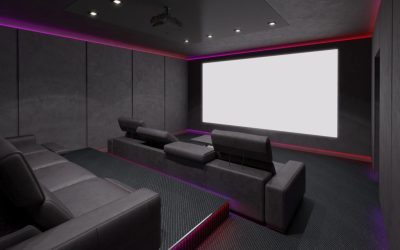
A home theater setup can also be integrated into the broader entertainment environment when a dedicated media room is part of the home.
The goal is to make the technology accessible without requiring users to understand every technical component behind the system.
Can Whole-Room Audio Work With a Home Theater?
Yes. Whole-room audio and a dedicated home theater can serve different purposes while existing within the same overall entertainment plan.
A home theater may prioritize focused audio and visual performance for movies, gaming, or sports. Other areas of the home may focus primarily on background music or casual listening.
Separating these functions can allow each space to be designed according to its purpose while maintaining a cohesive approach to home entertainment.
What Should Scottsdale Homeowners Consider During a Renovation?
Renovations and new construction provide opportunities to consider audio before walls and ceilings are finished. This can make it easier to plan speaker locations, wiring pathways, equipment areas, and controls.
Homeowners should also consider how the system will fit with the interior design. In some spaces, equipment may be visible and intentionally incorporated into the room. In others, homeowners may prefer technology that has a more subtle presence.
Planning these details early can reduce limitations later.
When Is Professional Home Audio Installation Useful?
A professional approach can be particularly useful when several rooms, audio zones, sources, and controls need to work together. Proper planning requires consideration of the home’s layout and the intended use of each space.
Imagine Audio Video provides residential audio and video solutions in Scottsdale. They consider the relationship between the home’s spaces and its entertainment technology when developing systems, including home audio installation.
Whole-room entertainment works best when it is designed around real habits rather than simply adding equipment to every available space. Consider your home’s layout, listening preferences, and future entertainment needs before selecting a whole-room audio solution.